
Key Findings
United Nations Sustainable Development Goals
Where Progress Can Happen
In response to the optimism for achieving progress on the SDGs that respondents reported in 2022, the 2024 survey asked participants to more specifically outline where and how that progress can be made. 67% of respondents indicated Affordable and Clean Energy as the primary SDGs that will see the most progress by 2030. This was followed closely by Climate Action; then Industry, Innovation and Infrastructure; Decent Work and Economic Growth; and Sustainable Cities and Communities.
View all respondent data
Which SDG(s) will see the most progress by 2030?
 67%
 64%
 38%
 36%
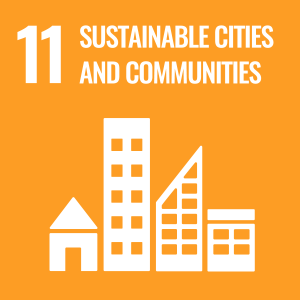 29%
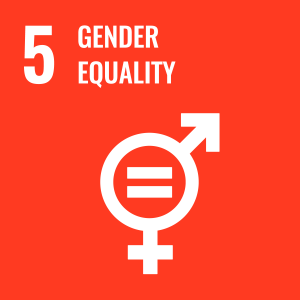 24%
In spite of the 2022 survey respondents’ optimism toward achieving SDGs by 2030, Members shared concerns about addressing the very real challenges to meeting those goals. Specifically, respondents indicated that greenwashing, impact washing, and a lack of public awareness and urgency around achieving the goals are currently the primary obstacles. Notably, when asked how the SDGs should be prioritized, 58% indicated they did not know, while only 11% indicated a specific focal point for prioritization.



“Regulation can direct capital and draw boundaries around what is acceptable. Regulation that requires greater disclosure, mandates climate action and facilitates the flow of capital is required.”
– Survey Respondent
Climate Solutions
Climate solutions were the top priority for making progress toward accomplishing the SDGs, according to responses. Respondents emphasized the time-sensitivity of climate action, arguing that, “without a [transition to clean energy], we won’t be around to move the needle on any of the others.”
The survey also asked Members to identify the single biggest factor that could help the world reduce greenhouse gas emissions to limit global warming to 1.5° C above pre-industrial levels. Respondents listed more collaboration among policymakers and the private sector” (36%) and “more regulatory changes to facilitate greater investment” (33%) as the leading factors. One respondent suggested that improved collaboration and regulation would lead to capital deployment toward the innovations needed: “Regulation can direct capital and draw boundaries around what is acceptable. Regulation that requires greater disclosure, mandates climate action and facilitates the flow of capital is required. Regulation can hit a number of the other goals for facilitating its execution and drive practice. The combination of regulatory action and directing capital will assist in driving innovation and solutions.”
Similarly, respondents emphasized the importance of incentivizing policymakers, corporations, and individuals to combat climate change as well as the need for collaboration across sectors. When asked to name the top three changes or innovations needed for processes and systems, practices, or structures to rapidly fight climate change, responses reflected a need for monetary and legal incentivization, required climate leadership roles in corporations and countries, and an overall more material and aggressive approach to fighting global warming than in the past. Responses frequently mentioned increased taxes on fossil fuels, additional capital toward technology development, generous incentives to change corporate and consumer behavior, impact journalism aimed at demonstrating the effects on families and future generations, international agreements to limit emissions, transparent impact measurement, and policymakers and leaders motivated by morals rather than financial gain.
Global Food Needs
Emphasis on the need for climate change bled into several of the SDG category analyses. When asked what is the biggest innovation needed for addressing global food needs, the most frequent responses were climate-related changes. Suggested applications included slowing climate change and making innovations in climate-smart agriculture. Beyond climate change, respondents expressed the need for waste reduction and supply chain improvements. “Reducing waste – from farm to plate – we [throw] away so much,” wrote one respondent. “Dealing with that challenge could radically reduce both hunger and carbon.”
“From a supply-side perspective, we need to reinvent a cost-effective and efficient distribution of nutritional foodstuffs,” one respondent suggested. “From a demand-side perspective, we need to – finally – solve for small-holder agricultural livelihoods in a way that enables domestic production and consumption without pivoting production to export-oriented products only.”


Government Leadout in Achieving Progress
Other respondents discussed the near impossibility of separating the SDGs from one another, while many emphasized the disparity between how SDGs are categorized and investable activities. “We need to cluster the SDGs in a way that investors allocate capital. The SDGs are not investment strategies; they articulate economic development objectives,” argued one respondent. Others detailed the need to divide and conquer for more effective change across all SDGs. One Member expressed, “All SDGs need to be addressed. Each person/entity should pick their SDGs. We need to divide and conquer.”
When asked who is most responsible for helping push forward progress on the SDGs, a wide majority, 43% of respondents, said that government is most responsible. One respondent suggested that “Governments should create the right policies and incentives with cooperation of the private sector so that capital and technology can be applied at scale.” Regardless of opinion on the order of addressing SDGs or the means by which the world makes real changes, respondents consistently linked any hope of progress to the involvement of governments worldwide in making policies, regulations, or incentives to drive the field forward.
View all respondent data
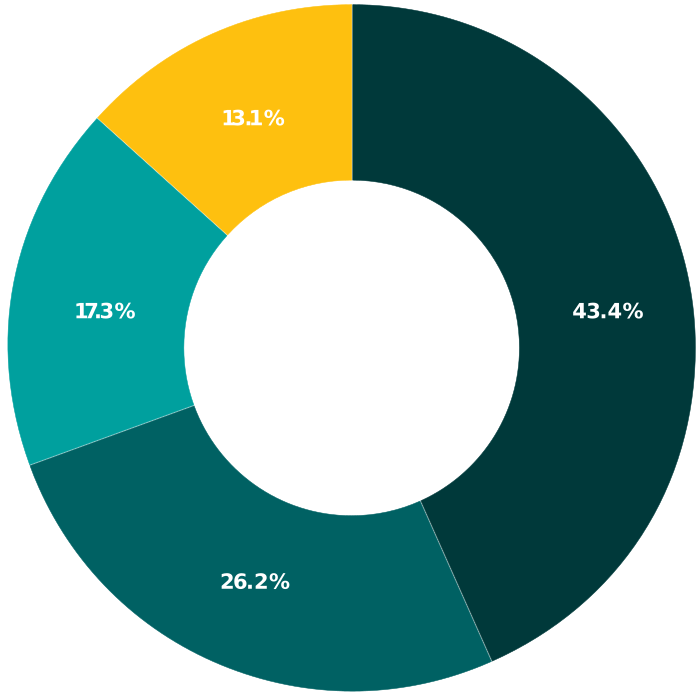
Government (43.4)
Investors (26.2)
Entrepreneurs (17.3)
Not for Profits (13.1)
Keep Reading: Public Policy & Impact
Explore the Report
Foreword by Senior Fellow Rob Brown
History and Purpose
Key Findings:
– United Nations Sustainable Development Goals
– Public Policy and Impact
– Impact Investing
Conclusion
